Why is Kedarkantha a Must-Do Trek ?
The Kedarkantha Trek, also known as the queen of winter treks, is a blend of experiences that combines the beauty of the Himalayas and its challenges.
The trek begins from a beautiful village, Sankri. There you can experience the local village life.
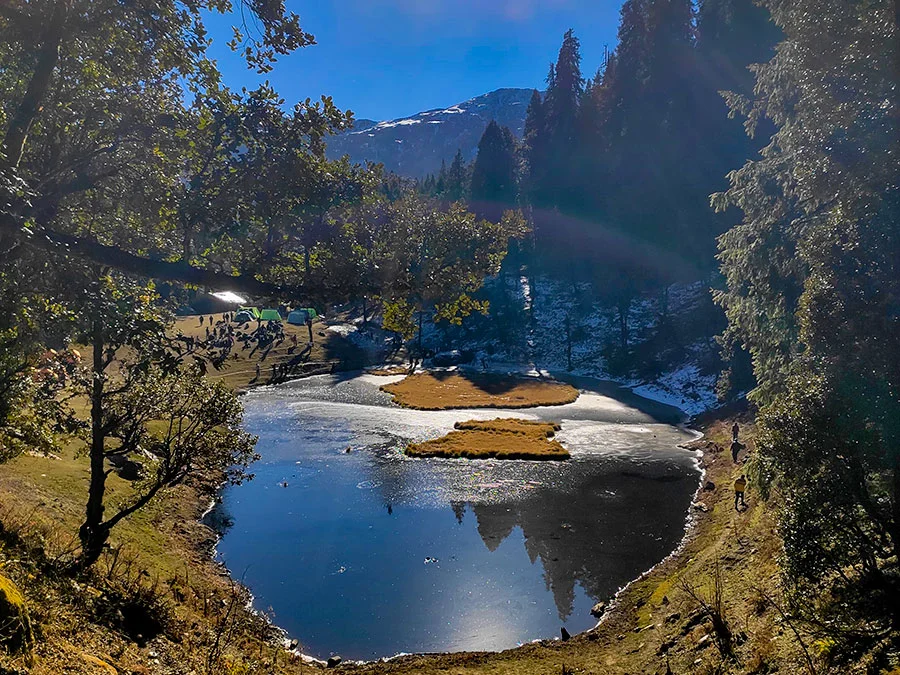
You can witness the beauty of Juda ka Talab, which is more enchanting during the winters when it is frozen. It also has a mythological story attached to it that adds a mystical touch to your journey.
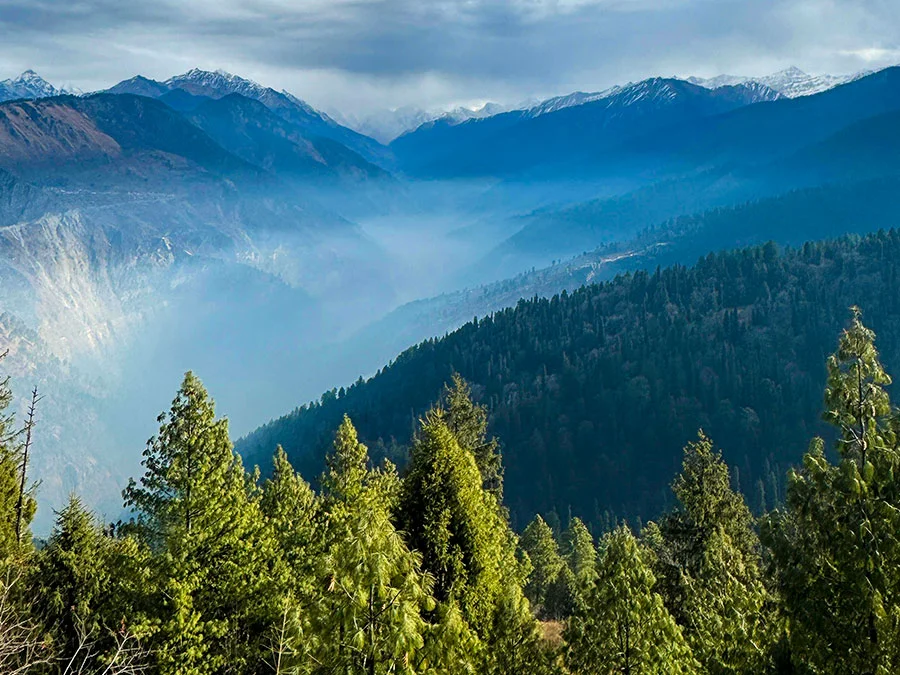
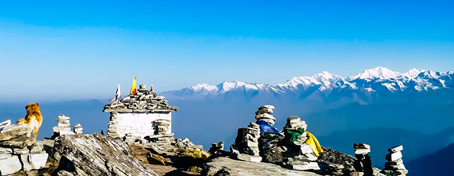
The Kedarkantha summit has noteworthy views, you can enjoy a 360-degree view of the Himalayan range. And spot peaks like Swargarohini, Bandarpunch, Black Peak, and Draupadi ka Danda 2.
You also get a beautiful view of Har Ki Doon Valley, Rupin Valley, Gangotri, and Yamunotri mountain ranges.
The trekking trail in Kedarkantha trek features a variety of terrain with beautiful views throughout the trek, but is not difficult like many other treks, making it a beginner-friendly trek.
The trek enters a no-network coverage area after Sankri, allowing you to disconnect from technology and fully immerse yourself in the tranquility of nature.
Kedarkantha Trek Informative Video
1It is the perfect place that gives you an opportunity to reconnect with yourself and enjoy the beauty of the Himalayas without distractions.
Kedarkantha – The Majestic and Pristine Beauty
Kedarkantha, also known as the queen of winter treks, is a popular high-altitude winter trek in the Indian state of Uttarakhand. Kedarkantha trek is a perfect escape to explore the snow-covered landscape of the Himalayas and is a wonderful place to experience snow trekking. Kedarkantha is also known for being the first trek of many trekkers, since it is one of the best treks for beginners. The Kedarkantha trek has easy endurance trails and spellbinding views, making the climb worthy. You can also witness mesmerizing sunset and sunrise views during the trek.
Why is Kedarkantha titled as the “Queen of Winter Treks”?
The Kedarkantha Trek is known as the queen of winter treks, for good reasons. Winter is undoubtedly the best time to visit the Kedarkantha. If you want to experience Snow Trekking and want to see Kedarkantha at its best, December to April is the ideal time to visit. During the winter, the area turns into a winter wonderland, the Juda ka Talab is frozen, the trails are slightly covered with snow and offer an exhilarating challenge of the summit climb. In the winter months, the place has sunny weather during the daytime, while it is cold and frosty during the nights. The surrounding trees of Rhododendron, Maple, Cedar and Oak are covered with fresh snow, creating a mesmerizing view. Kedarkantha has a magical landscape with bright sunshine in the winters, also the skies are clear, and snow-covered majestic peaks such as Swargarohini, Bandarpoonch and Black peak are clearly visible.
Camping at the Kedarkantha base during the winter is another serene experience, since the area is wide open you can witness the clear star-studded skies. This is a favorite site for camping for many trekkers, not just because of the views, but the sense of peace and isolation it gives.
The spring months of March and April are also ideal for those who prefer mild weather for trekking. During these months you can witness the changing landscape of Kedarkantha, you can see the forest trails coming alive with the first sign of new growth. During spring months, Juda ka Talab is a remarkable sight, it is the most beautiful place when the morning light glistens off the slightly icy surface, creating a mirror effect and reflecting the surrounding dense forests and the sky.
Major Attractions of Kedarkantha Trek
Sankri: Sankri is the first base camp for the Kedarkantha Trek and a small, serene village located in the Uttarkashi district of Uttarakhand. The village has traditional wooden and local houses, with a friendly local atmosphere it also serves as the starting point for various other treks like Har ki Dun, Phullara Ridge, Bali Pass, etc.
Juda ka Talab: Juda ka Talab is a beautiful high-altitude lake that you will find on your first night of the trek. The lake is surrounded by dense forests of Rhododendron, Maple, Oak and Pine. During the winters, the lake looks even more majestic when it is frozen and surrounded by snow fields. The lake holds a local folklore about lord shiva and his sacred hair, adding a mystical touch to its beauty. It is said that lord Shiva once removed a lock of his hair and cast it into the area, which created a pond and since then it has been famous among locals and tourists alike.
Kedarkantha Base: Kedarkantha Base is one of the most preferred locations by trekkers during their journey, the base camp has a calm and serene nature. This will be the camping area for you on the third day of your trek. The base is in an open area, so you can soak in the fresh air that relishes the mind. Being a wide clear area the Kedarkantha base is a perfect location for stargazing, and because of no artificial lights, you can see the stars shining brightly very clearly.
Kedarkantha Peak: The Kedarkantha Peak, situated at an elevation of 12,500 ft, is the major highlight of the trek. When you ascend to the trek, you will be rewarded with views of beautiful Himalayan ranges. The summit has small temples of lord Shiva, Goddess Parvati, and lord Ganesha. The views that you will be surrounded by when you reach the peak will all be worth the climb. You can also witness the sunrise from the summit. It is majestical, the sky is covered with orange and red color, slowly casting a warm ethereal glow over the snow-capped mountains.
Hargaon Base: Hargaon base is another beautiful campsite, the campsite has alpine trees around and you can see distant views of the mountains. In winters you can spot snowy peaks, and the camping area is also snow-covered. When you wake up in the morning the views are astonishing.
The Mountain Panorama from Kedarkantha Peak
Once you are at the peak, you will have a spectacular view of some of the most iconic Himalayan peaks like Swargarohini Peak, Bandarpoonch, Draupadi ka Danda 2, and Black Peak also you can get a beautiful view of Rupin Valley and Har Ki Doon valley. The sunrise views from the peak are majestical and beholding. Kedarkantha being situated on the western side of the Garhwal Himalayas, has the best sunsets. During the golden period, the sky turns into shades of orange and red, and when it reflects on the snow the landscape truly turns magical.The Kedarkantha trek is a perfect place for a short getaway, it has all the peace, views, and adventure.
Best Time for Kedarkantha Trek
The Kedarkantha Trek in Uttarakhand is a stunning adventure, renowned as a quintessential winter trek, and for good reason. The trail transforms into a winter wonderland, draped in pristine snow, and offers the exhilarating challenge of a summit climb amidst frosty conditions. The best time to visit Kedarkantha Trek is during the winter and spring months, from November to April, when the trail is blanketed in snow, creating a magical landscape perfect for a snowy adventure. The clear skies during this period reveal snow-covered majestic Kedarkantha peaks such as Swargarohini, Bandarpunch Peak, Black Peak (Kalanag), and other ranges.
The spring months of March to April are also ideal for those who prefer milder weather and want to see the forest trails come alive with the first signs of new growth. One of the most enchanting parts of the Kedarkantha Trek is the Juda Ka Talab, a serene, frozen lake surrounded by dense woods. It’s a sight to behold, especially as the morning light glistens off the icy surface, creating a mirror-like effect that reflects the surrounding trees and sky. Camping here feels like stepping into a winter postcard, complete with towering deodars and the soothing silence of the snow-covered wilderness.
As you ascend further, the landscape opens up to the Kedarkantha Base Camp, offering mesmerizing views of towering peaks against a backdrop of clear blue skies. This campsite is a favorite among trekkers, not just for the views, but for the sense of peace and isolation it provides, a feeling of tranquillity amidst the vast expanse of white. Sitting by the campfire, with snowflakes gently falling around and peaks glowing in the moonlight, you’ll realize that this trek is filled with countless magical moments.
Perfect Trek for Beginners / Best Choice for Beginners
Kedarkantha stands out as an ideal Best Winter Trek for beginners due to its perfect blend of accessibility and adventure. The trek features manageable difficulty with well-marked trails and a gradual ascent, making it an excellent introduction to winter trekking without being too demanding. Typically completed in just 6-7 days, it is a short and easy trek, enough to keep newcomers engaged and motivated. The stunning winter landscape, with snow-covered trails and panoramic views of the Himalayan peaks, adds a magical touch that’s both inspiring and achievable. The trek’s infrastructure, including established campsites and experienced local guides, ensures safety and support, further enhancing the experience for first-time trekkers. Additionally, the warm hospitality, traditional mountain culture, and friendly locals provide a supportive and welcoming environment. It is an excellent starting point for those new to trekking.
Kedarkantha Trek Difficulty Level
What sets Kedarkantha apart is not just its beauty, but its accessibility. The difficulty level of the Kedarkantha trek is considered an easy to moderate trek. It is the best trek for beginners in Uttarakhand who are looking to step into the world of high-altitude trekking. While the trail is relatively straightforward and well-marked, certain sections require a good level of fitness, particularly the final ascent to the summit which involves a steep climb. Trekkers should be prepared for cold weather, especially during winter, and be ready to walk on snow, which can be challenging at times. However, with proper acclimatization, pacing, and the support of experienced guides, the trek is manageable even for those new to trekking. Moreover, the trek is adorned with charming campsites, friendly locals, and a rich cultural backdrop, adding layers of experience beyond the trek itself.